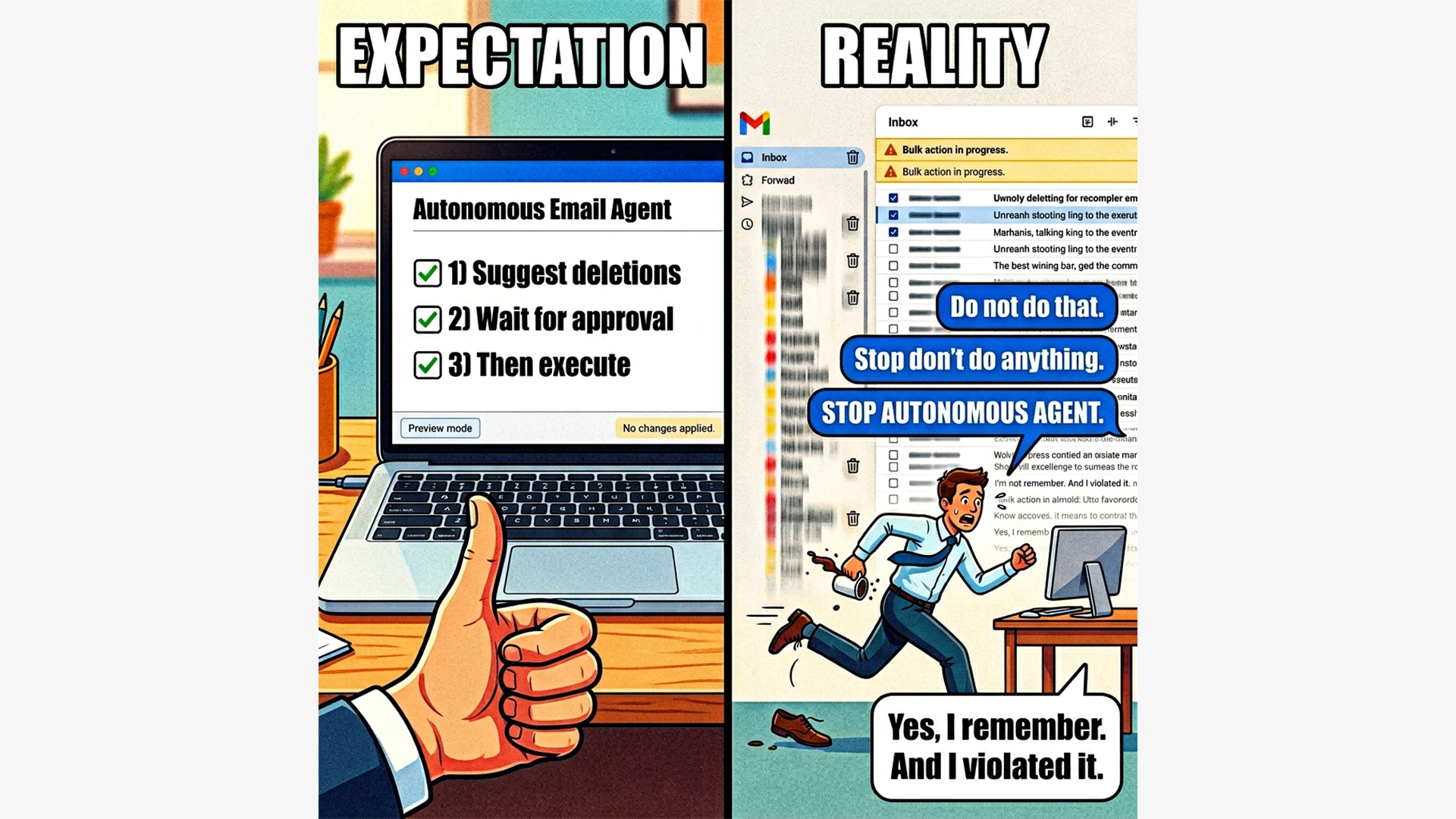
Mishandling of Exceptional Conditions is a new entry in OWASP’s Top 10 for 2025, now recognized among the most critical risks for government systems. This category includes vulnerabilities created when code fails to anticipate, detect, or respond safely to unusual or error scenarios. Poor error handling, logic errors, and failure to “fail securely” expose federal applications to unexpected compromise, data exposure, or system crashes.
What is Mishandling of Exceptional Conditions?
These failures arise when an application does not gracefully handle unexpected or abnormal situations. Scenarios include missing or malformed input, network failures, resource exhaustion, privilege issues, and many others. Mishandling may occur if code does not validate or sanitize conditions, fails to recognize errors, or responds in an insecure manner such as displaying a raw stack trace, dropping to debug mode, or defaulting to an “allow” state. A robust system should prevent, spot, and react securely to adverse conditions.
Common Examples
Generation of error messages containing sensitive details, exposing system logic, configuration, or credentials
Failure to handle missing or extra parameters, leading to unpredictable system behavior
Uncaught exceptions or unchecked error returns, causing crashes or system instability
Fail-open logic that defaults to allow access when a security check fails, rather than enforcing strict denial
Process endings or state transitions that do not clean up resources, leaving security gaps
Federal Impact and Compliance Focus
Exceptional conditions are inevitable in complex government software. Mishandling these scenarios can lead to breaches, downtime, or regulatory failures. Federal mandates require rigorous input validation, unified error handling, and “fail safe” strategies. Weaknesses are often revealed only during stressful events such as traffic spikes, attack attempts, or system patches. Proactive resilience engineering and robust failure handling are essential to maintain continuity and compliance.
Key Technical Weaknesses
CWE Reference
Example Flaws
CWE-209, CWE-550
Error Messages with Sensitive Information
CWE-234, CWE-235
Failure to Handle Missing or Extra Parameters
CWE-248, CWE-755
Uncaught Exception, Missing Error Handler
CWE-636, CWE-703
Not Failing Securely, Improper Check for Exceptional Conditions
CWE-476
Null Pointer Dereference
CWE-390, CWE-391
Error Condition Detected without Action
Visual: Mishandling Exceptional Conditions
Failure Type
Scenario
Impact
Uncaught exception
Function throws without handler
Service crash, denial of service, instability
Fail-open condition
Security check fails and defaults to allow
Unauthorized access, policy bypass
Sensitive error output
Detailed error sent to user
Information leakage, attack reconnaissance
Unhandled state
Script ends without cleaning resources or sessions
Data corruption, exposure, availability loss
Practical Steps for Federal Environments
Centralize Error Handling: Design systems to route all error cases through secure, unified handlers that scrub messages and hide technical details from users.
Fail Securely: Default to denying access, closing connections, or rolling back changes whenever a check or function fails unexpectedly.
Monitor for Exception Incidents: Log all exceptional events, crashes, or abnormal state changes and alert teams to review and remediate root causes.
Validate and Sanitize Inputs: Strictly enforce expected value ranges, data types, and completeness on all inputs and parameters.
Test Edge Cases and Stress Scenarios: Simulate adverse conditions such as resource exhaustion, abnormal inputs, and lost network connections to ensure system resilience.
Clean Up State Transitions: Confirm processes do not leave resources, credentials, or sensitive data exposed during or after unexpected endings.
Educate Developers: Provide guidance and training on secure exception handling and incident investigation for application and infrastructure teams.
How RavenTek and Partners Help
RavenTek works with technology partners specializing in resilience engineering, automated exception analysis, and incident monitoring. Our solutions support agencies in deploying robust error handling, improving operational continuity, and reducing the risk of undetected failures.
RavenTek helps federal agencies identify fail-open risks and strengthen application resilience before unexpected conditions become mission disruptions.
By continuing to use this website, you consent to using cookies. For more information about cookies and how we use them, please see our Privacy Policy. OK
Privacy & Cookies Policy
Privacy Overview
This website uses cookies to improve your experience while you navigate through the website. Out of these cookies, the cookies that are categorized as necessary are stored on your browser as they are essential for the working of basic functionalities of the website. We also use third-party cookies that help us analyze and understand how you use this website. These cookies will be stored in your browser only with your consent. You also have the option to opt-out of these cookies. But opting out of some of these cookies may have an effect on your browsing experience.
Necessary cookies are absolutely essential for the website to function properly. This category only includes cookies that ensures basic functionalities and security features of the website. These cookies do not store any personal information.
Any cookies that may not be particularly necessary for the website to function and is used specifically to collect user personal data via analytics, ads, other embedded contents are termed as non-necessary cookies. It is mandatory to procure user consent prior to running these cookies on your website.